

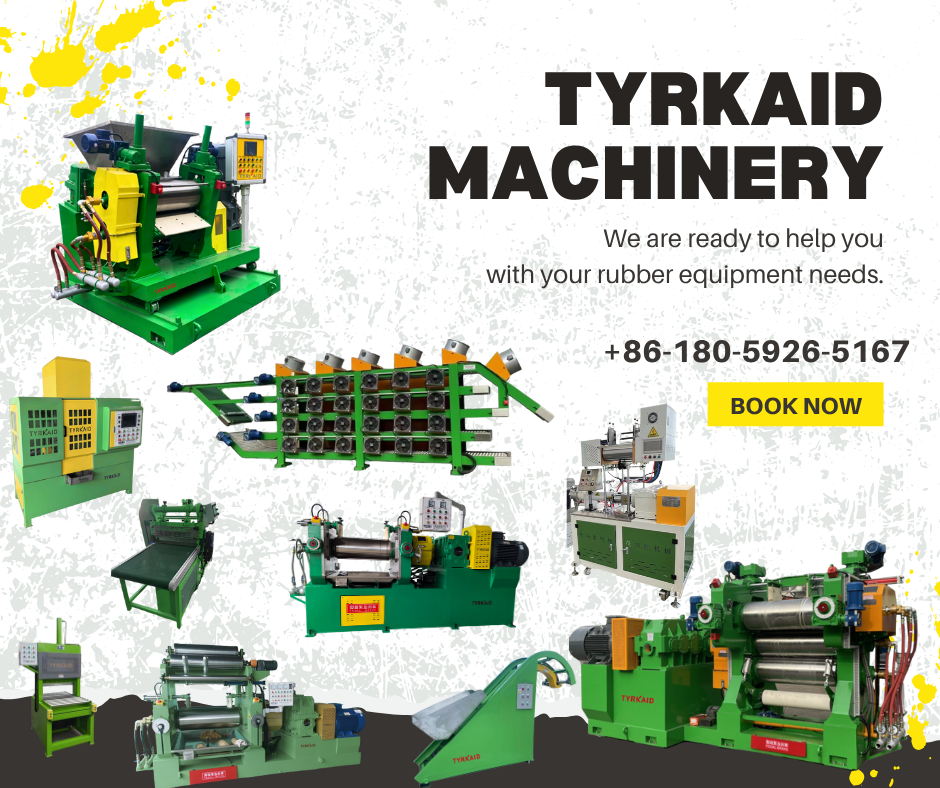
The global rubber machinery industry is experiencing dynamic shifts in export markets, driven by evolving demand, technological advancements, and regional economic developments. As manufacturers seek to expand their international footprint, understanding these trends is critical for strategic decision-making. This analysis explores the top export markets for rubber machinery in 2025, key growth drivers, and emerging opportunities.
1. Top Export Markets for Rubber Machinery in 2025
Southeast Asia: The Manufacturing Hub
Southeast Asia remains a dominant destination for rubber machinery exports, particularly Thailand, Vietnam, and Indonesia. These countries are major producers of natural rubber and are rapidly expanding their tire manufacturing and industrial rubber product sectors.
- Thailand: The world’s largest natural rubber exporter is investing heavily in automated rubber processing equipment, including Banbury mixers and rubber extruders.
- Vietnam: With a growing EV tire industry, demand for high-precision rubber calendering machines and automated curing systems is surging.
- Indonesia: Increasing focus on sustainable rubber production is driving imports of energy-efficient rubber machinery.
India: A Rising Manufacturing Powerhouse
India’s rubber product industry is expanding, particularly in automotive seals, conveyor belts, and footwear. The demand for rubber compounding machines and hydraulic presses is growing at 8-10% annually.
- Government initiatives like “Make in India” are boosting local manufacturing, creating opportunities for used rubber machinery and cost-effective new systems.
- Key imports: rubber mixing mills, rubber sheet cutting machines, and vulcanizing equipment.
Latin America: Emerging Demand in Brazil & Mexico
Brazil and Mexico are seeing increased investments in tire retreading and industrial rubber goods, driving demand for:
- Rubber recycling machinery (pyrolysis plants, reclaim rubber systems)
- High-efficiency rubber mixers (for synthetic rubber processing)
Africa: Untapped Potential
Countries like Nigeria and South Africa are emerging as new markets due to:
- Growing automotive aftermarket (tire retreading demand)
- Infrastructure projects requiring rubber conveyor belts and seals
2. Key Growth Drivers in 2025
✔ Electric Vehicle (EV) Tire Boom – Demand for specialized rubber mixing machines that handle silica-reinforced compounds.
✔ Sustainability Regulations – Europe’s Green Deal is pushing energy-efficient rubber machinery exports.
✔ Automation & Smart Factories – Buyers seek IoT-enabled rubber processing machines with predictive maintenance.
✔ Aftermarket Services – Rising need for rubber machinery spare parts and retrofitting solutions.
3. How to Capture Export Opportunities?
- Target Niche Markets: Focus on rubber machinery for medical-grade silicone or hydrogen-resistant rubber.
- Offer Financing Solutions: Many buyers seek leasing options for rubber processing machines.
- Highlight Compliance: Certifications like CE, ISO 9001 boost credibility in Europe and North America.
Conclusion
The rubber machinery export market in 2025 is shaped by regional demand shifts, sustainability trends, and smart manufacturing. Companies that align with these trends—whether through energy-efficient rubber mixers, AI-driven process optimization, or aftermarket support—will gain a competitive edge.
Looking for the best rubber machinery for export? [Contact Us] for a customized market analysis.
