

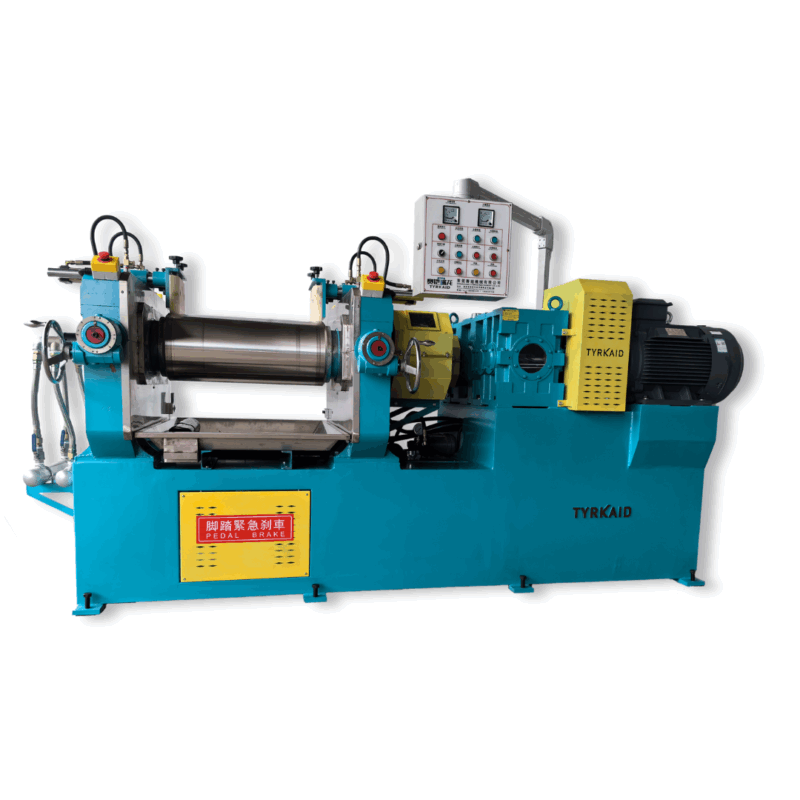
In the demanding world of rubber processing, the rubber mixing mill is a cornerstone of production. Proper maintenance isn’t just a recommendation—it’s a critical practice that ensures equipment longevity, consistent product quality, and operational efficiency. A well-maintained mill minimizes downtime and maximizes return on investment. Here’s how to keep your machine running at peak performance.
Why Regular Maintenance is Non-Negotiable
Rubber mixing mills operate under severe conditions with high mechanical stress, friction, and exposure to abrasive compounds. Without a proactive maintenance schedule, you risk premature wear and tear, unplanned breakdowns, and compromised mix quality. This can directly impact your bottom line through costly repairs and lost production time. Implementing a rigorous maintenance routine safeguards your operation against these risks .
Essential Maintenance Checks by Frequency
🛠️ Daily Maintenance
Begin each shift with a basic inspection. Look for any visible signs of damage, such as loose bolts or leaks. Clean the mill thoroughly to remove rubber residue, which can affect performance and cause contamination. Check lubrication points and ensure all moving parts are adequately greased to reduce friction .
📅 Weekly Maintenance
Perform a more detailed check weekly, especially for heavy-duty operations. Inspect mixing blades, belts, and gears for wear. Test electrical components, including safety features like emergency stop buttons and temperature sensors, to ensure they are functional. Proper belt tension is crucial to prevent slippage and maintain efficiency .
📆 Monthly Maintenance
Once a month, conduct an in-depth inspection. Focus on critical components like the rotors, bearings, and the mixing chamber. Check for signs of wear and replace any worn parts immediately. Verify the condition of the hydraulic system (if applicable) and electrical connections. Lubrication of all moving parts is paramount to prevent premature failure .
🗓️ Quarterly and Annual Maintenance
For comprehensive upkeep, schedule a major overhaul quarterly or annually. This involves disassembling key components, cleaning internal parts, and replacing worn-out elements. Calibrate all sensors, gauges, and controls to ensure precision in temperature, pressure, and speed settings. Keep detailed records of all maintenance activities for tracking and predictive analysis .
Pro Tips for Enhanced Longevity
- •Lubrication is Key: The bearing shaft carries the full load of the machine. Use clean, high-quality lubricants and ensure seals are intact to protect against dust and debris, which can cause abrasion .
- •Operator Training is Crucial: Skilled operators who understand correct parameters like mixing speed, temperature, and loading capacity can prevent overloading and misuse, which are common causes of damage .
- •Environment Matters: Operate your mill in a clean, dry environment to prevent rust and corrosion. Dust and humidity can accelerate wear on electrical and mechanical components .
- •Listen to Your Machine: Unusual noises like grinding, rattling, or excessive vibration are red flags. Address these immediately to prevent minor issues from escalating into major failures .
Conclusion: Maintenance Drives Performance
A disciplined maintenance is the most effective strategy for optimizing the performance and extending the service life of your rubber mixing mill. By integrating daily checks, weekly inspections, and monthly servicing into your operational routine, you protect your asset and ensure it continues to produce high-quality rubber compounds reliably.
Invest in preventive maintenance today for a more profitable tomorrow.
For more expert advice on rubber processing equipment and maintenance, explore our website or contact our team of professionals.
