

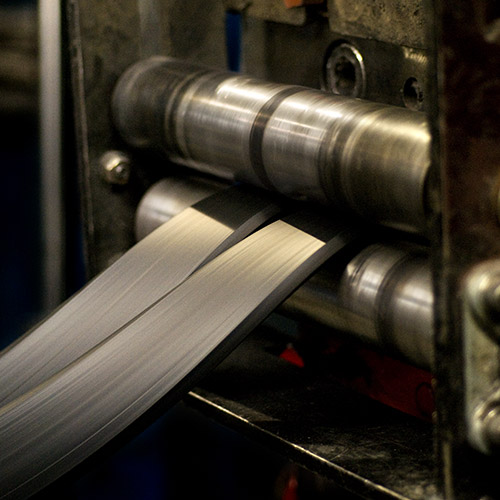
In the dynamic world of polymer processing, the calendaring line stands as a critical piece of equipment for transforming raw rubber compounds into precise, consistent sheets. Different materials present unique challenges, demanding specialized solutions. This article explores the specific requirements and advanced technological approaches for three key application areas: EPDM rubber sheets, silicone rubber calendaring, and high-volume tire calendaring lines.
1. Mastering EPDM Calendaring for Durable Applications
Ethylene Propylene Diene Monomer (EPDM) is renowned for its excellent ozone, weather, and heat resistance. It is a material of choice for automotive sealing systems, construction profiles, and industrial hoses. Processing EPDM on a calendar requires precise temperature control and friction ratio settings to ensure optimal compound flow and sheet uniformity without pre-curing.
The automotive industry, which accounts for a significant portion of the EPDM market, demands sheets with flawless surface finish and tight thickness tolerances for components like door seals and trunk seals. Modern EPDM rubber calendars are engineered with advanced control systems to maintain stable processing conditions, directly contributing to the quality and performance of the final automotive part.
2. Achieving Excellence in Silicone Rubber Calendaring
Silicone rubber calendaring is a process that demands exceptional cleanliness and control. Silicone compounds, used widely in medical, food-grade, and high-temperature applications, are sensitive to contamination and temperature variations. A dedicated silicone rubber calendar often features polished or specially coated rolls to prevent sticking and facilitate the release of the non-sticky sheet.
The focus here is on producing ultra-smooth sheets with consistent cross-link density. This is crucial for silicone products requiring specific durometer (hardness) and elongation properties. As the global market for formed rubber hoses—a key application for silicone—continues to grow, the demand for high-precision calendared silicone sheets is expected to rise in parallel.
3. The Backbone of Tire Manufacturing: The Tire Calendaring Line
The tire calendaring line represents the pinnacle of calendaring technology, built for robustness, precision, and high-speed production. Its primary function is to coat tire cord fabrics (made of nylon, polyester, or steel) with a thin layer of rubber compound. This process, known as skim coating, is fundamental to creating the tire’s internal skeleton (the belt and body plies).
The quality of this calendar coating directly impacts tire performance, durability, and safety. Modern lines are fully integrated systems featuring automatic fabric guiding, tension control, edge trimming, and splicing. With the global tire cord market on a steady growth trajectory, efficiency and precision in the tire calendaring process are more critical than ever for manufacturers.
Conclusion: Partnering for Precision
Whether your production focus is on versatile EPDM profiles, specialized silicone products, or high-performance tires, the right calendaring technology is the foundation of quality. From laboratory-scale rubber sheeting mills to fully automated industrial calendaring lines, understanding the distinct processing nuances of each material is key to selecting the optimal equipment.
Investing in a calendar designed for your specific material and end-product requirements is an investment in product consistency, production efficiency, and ultimately, customer satisfaction. As material science advances and market demands evolve, calendaring technology continues to adapt, offering smarter controls and greater flexibility to meet the future of rubber processing. We Tyrkaid are insisted in professional solutions to our customers. Any questions, feel free to contact us!
