

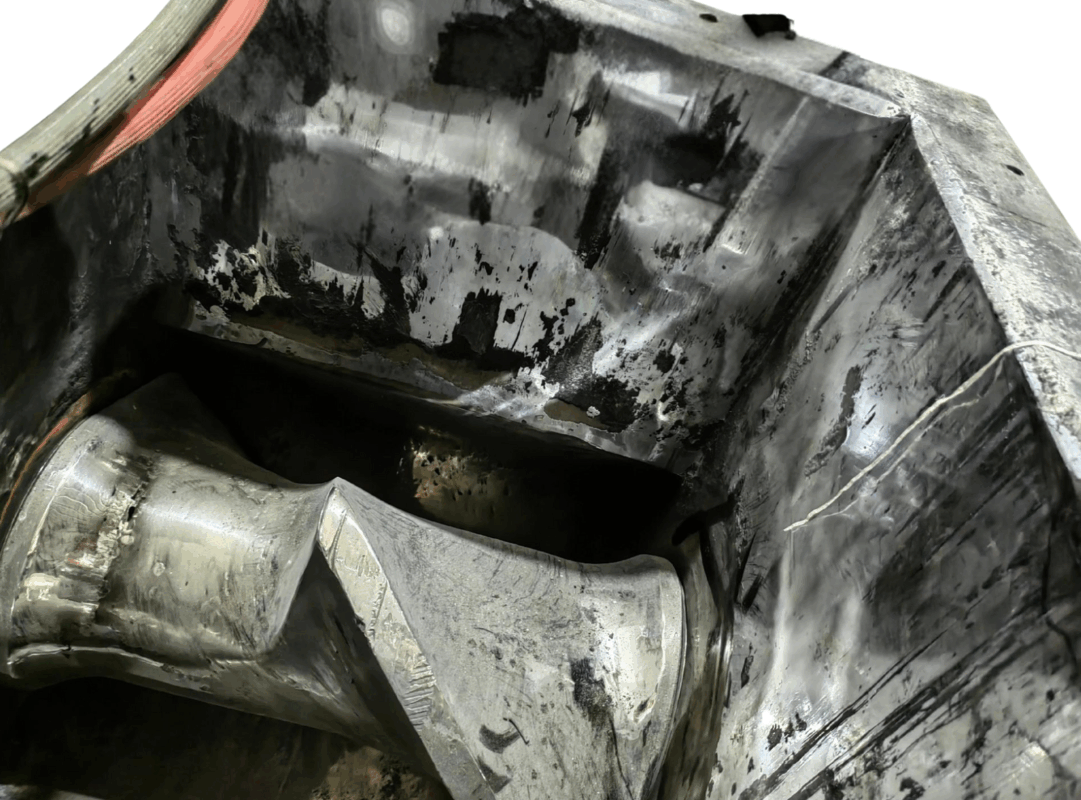
Is your internal mixer (Banbury mixer) showing warning signs? Unusual sounds, powder leaks, or rising temperatures can lead to costly downtime. This guide helps you diagnose common problems quickly.
Q1: Why is my internal mixer making a loud knocking or grinding noise?
- A: This is a serious symptom, often pointing to mechanical failure in the core assembly.
- Rotor Bearings: The most common cause. Worn-out or insufficiently lubricated bearings will create a rumbling or grinding sound.
- Solution: Check lubrication immediately. If the noise persists, stop the machine and inspect the bearings for wear.
- Rotor Clashing: A loud, metallic knocking indicates the rotors are making contact.
- Solution: This is a critical fault. Immediate shutdown is required to check for rotor damage, bearing housing wear, or foreign metal objects in the mixing chamber.
Q2: Why is powder leaking from the mixer seals?
- A: Dust or powder leakage around the rotor shafts signifies seal failure.
- Worn Sealing Rings: Over time, the labyrinth or piston rings wear down, allowing carbon black and other fine powders to escape.
- Solution: Replace the worn seal rings during the next planned maintenance.
- Insufficient Seal Pressure: The hydraulic pressure on the side seals might be too low to create a tight seal against the chamber.
- Solution: Check and adjust the hydraulic pressure to the manufacturer’s specification.
- Blocked Lubrication Lines: The seals rely on grease for lubrication and sealing. Blocked lines will cause rapid seal wear and leakage.
- Solution: Inspect and clean grease lines and nipples.
Q3: What causes the mixer or bearings to overheat?
- A: Overheating reduces machine life and compromises mix quality.
- Insufficient Cooling: The most frequent cause. Scale or blockage in the water cooling channels of the rotors and side frames drastically reduces heat exchange. Solution: Perform regular descaling of the cooling system and check water flow rate and temperature.
- Overloading: Exceeding the mixer’s capacity (high fill factor) or using a recipe with very high viscosity puts excessive strain on the motor and drive system, causing overheating. Solution: Optimize your batch size and formula.
- Misalignment & Over-tightening: Misaligned couplings or over-tightened V-belts create excessive friction, leading to localized hot spots on bearings or the gearbox.
Proactive Maintenance is Key:
Many of these issues can be prevented with a robust preventive maintenance schedule. Regular lubrication, cooling system checks, and torque monitoring can save you from unexpected breakdowns and expensive repairs.
Need expert help? Contact Tyrkaid team for a diagnostic or to schedule professional maintenance.
